Short-term by design
An inpatient stay is used when symptoms meet hospice criteria for a higher level of care. As comfort improves, the team reassesses whether the patient can return home, to assisted living, or to another supported setting.
Inpatient care
Most hospice care is delivered wherever the patient lives: at home, in assisted living, in a nursing facility, or in another familiar setting. Sometimes, though, a symptom crisis needs a more intensive setting for a brief period of time. General inpatient hospice care is designed for those moments, when comfort requires close nursing observation, medication adjustment, physician involvement, and practical support for the family.
Treasure Coast Hospice operates three inpatient hospice units across Martin and St. Lucie counties. These units are not long-term residential facilities. They are calm, medically supervised settings where the team can focus on acute symptom management, help loved ones understand what is changing, and plan the safest next step once symptoms are better controlled.
An inpatient stay is used when symptoms meet hospice criteria for a higher level of care. As comfort improves, the team reassesses whether the patient can return home, to assisted living, or to another supported setting.
Patients receive round-the-clock nursing support, daily clinical oversight, and medication management while loved ones remain close, informed, and welcomed into the care experience.
The Hay-Madeira, Harper, and Lynch Pavilion units keep higher-level hospice care close to families in Martin, St. Lucie, and Okeechobee counties.
When the IPU Helps
Families often call because something has changed quickly and they are not sure what to do next. General inpatient care may be appropriate when symptoms cannot be safely or effectively managed in the current setting and require frequent assessment by a hospice team. Calling does not mean a transfer will automatically happen; it starts a conversation and clinical review.
The care team can adjust medications, monitor response, and support comfort more closely than a home setting may allow when pain escalates despite the current care plan.
Patients can receive frequent assessment and symptom support from nurses trained in end-of-life care when breathing, restlessness, or distress becomes hard to manage.
The inpatient setting supports careful medication changes when symptoms are escalating, swallowing is difficult, or multiple symptoms need coordinated treatment.
When criteria are met, inpatient respite care can give family caregivers a brief period of relief while the patient continues receiving hospice support in a safe setting.
If symptoms stabilize, the team works with the family on discharge planning, equipment needs, medications, and continued hospice care wherever the patient will be.
Comfort, Care & Family
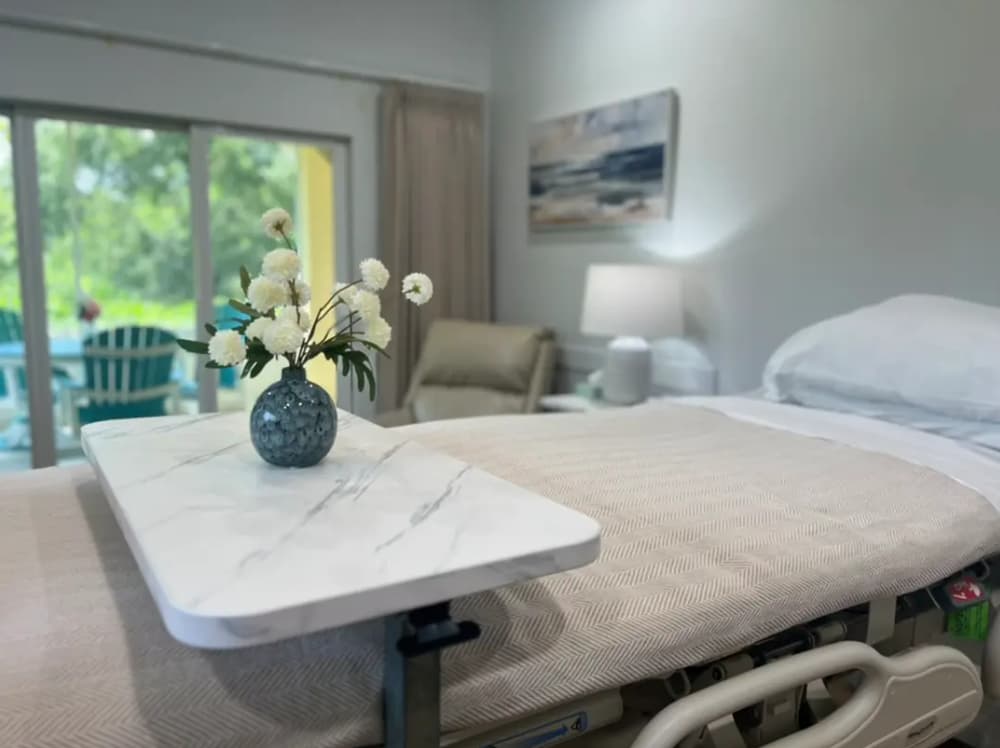
The inpatient units are designed to feel more personal than a hospital while still supporting medically necessary symptom management. Families should expect a quieter setting, private patient rooms, and a team focused on comfort, dignity, and communication.
Loved ones are encouraged to remain part of the care experience. Each room is private and includes space for family to sit, rest, and spend meaningful time together. The units also include family gathering areas and access to outdoor space, helping visits feel less clinical and more human.
Nurses and hospice aides monitor symptoms, medications, comfort, personal care needs, and family questions throughout the stay.
Private patient rooms, sleeper sofas, and patio access give families room for conversation, rest, fresh air, and privacy.
Families, children, and family pets are welcome when appropriate for the patient and care setting, helping important relationships stay close.
The goal is comfort and stabilization, with a clear plan for the next level or place of care when the patient no longer needs inpatient support.
Our Inpatient Units
Treasure Coast Hospice inpatient units serve families across Martin, St. Lucie, and Okeechobee counties. Visitors are welcome around the clock and should check in at the nursing station when they arrive.
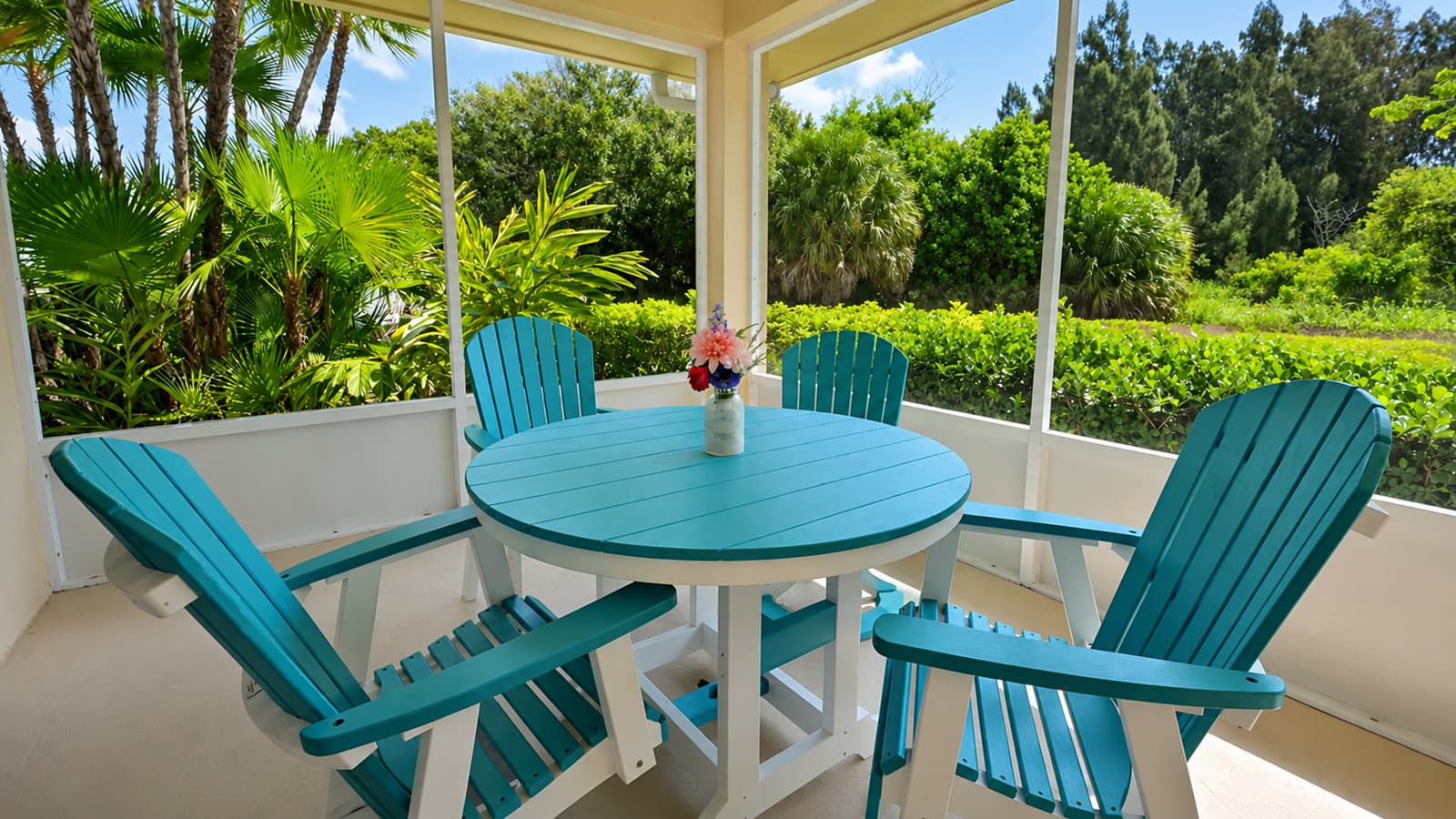
Located on the Stuart campus, the Hay-Madeira Inpatient Unit opened in 1996 and provides private rooms, family space, patios, and 24/7 hospice nursing care.
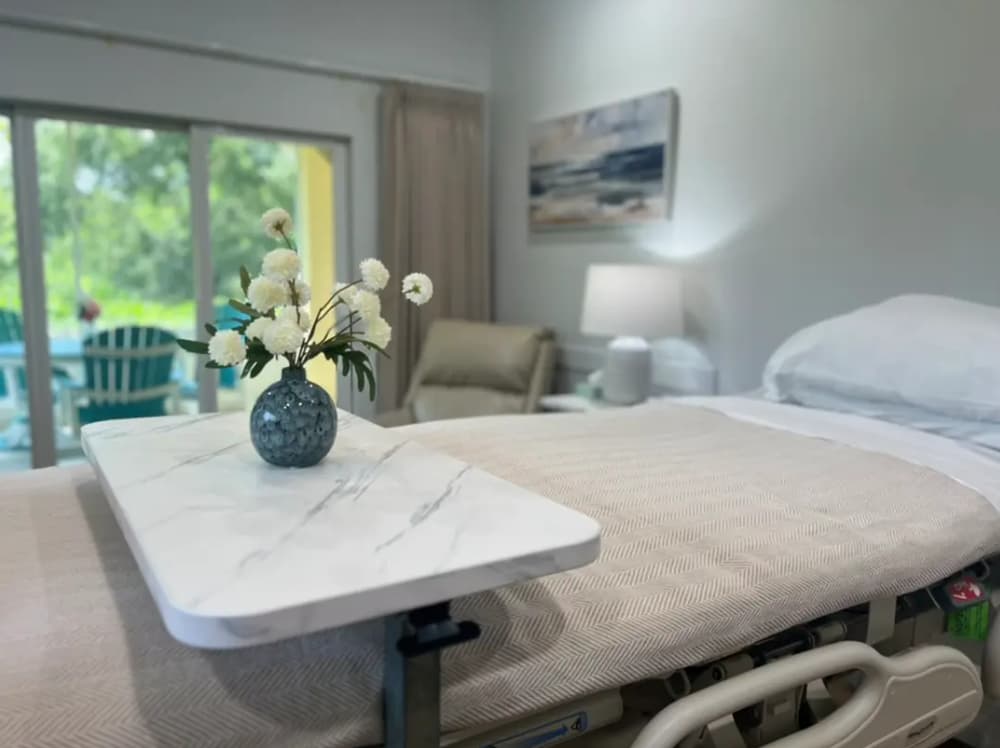
The Harper Inpatient Unit opened in 1992 and also serves families from the Stuart campus, keeping higher-level hospice support close to Martin County communities.
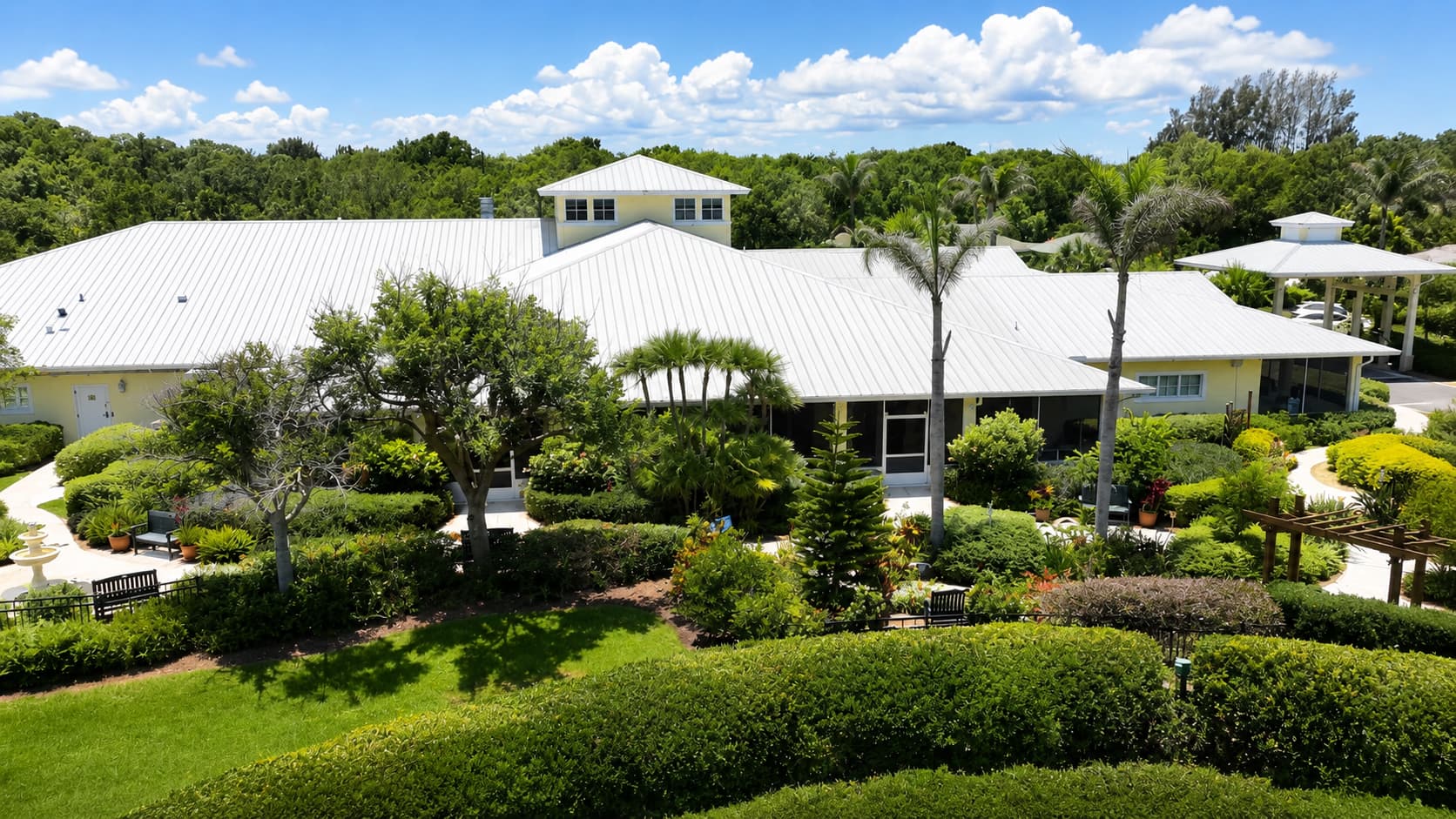
The Fort Pierce unit was rebuilt after the 2004 hurricanes, reopened in 2007, and was dedicated as The Lynch Pavilion in 2019 after a donor-funded renovation and expansion.
Beyond the Bedside
Inpatient hospice care includes the family as part of the care experience. The team can help explain symptoms, medications, and care decisions in plain language while also supporting emotional needs, spiritual questions, caregiver exhaustion, and grief.
Physicians, nurses, hospice aides, pharmacists, social workers, chaplains, grief specialists, and trained volunteers work together so families are supported medically, emotionally, spiritually, and practically.
Family pets may visit when appropriate, and the broader Treasure Coast Hospice pet programs help honor the bond between patients and the companions who bring comfort.
Counseling and bereavement services are available for loved ones before and after a death, including support for adults, children, and families.
The team can talk through what is changing, what symptoms may mean, and what choices are available so families do not have to interpret everything alone.