


Newsroom
News, updates, and community stories from Treasure Coast Hospice
Find organization announcements, local media coverage, fast facts, and press resources for stories about Treasure Coast Hospice and the communities we serve.
Newsroom
A local source for hospice news, media coverage, and community impact
This newsroom brings official announcements, community stories, media resources, and organizational fast facts into one clear place. It is designed for reporters on deadline, community partners checking facts, donors following Foundation impact, clinicians looking for education, and families who want to understand how Treasure Coast Hospice serves Martin, St. Lucie, and Okeechobee counties.

Faces of Hospice: Jean Prielipp
Jean Prielipp has volunteered at Treasure Coast Hospice’s Stuart Thrift Boutique for 16 years, giving back after hospice cared for her husband. At nearly 95, she continues to find purpose and joy in serving others.


Treasure Coast Hospice Names New Philanthropic Leader
Agnes Palmer, CFRE, Appointed Executive Director of Treasure Coast Hospice Foundation

Treasure Health Appoints George W. Eighmy as Chief Financial Officer
Treasure Health, parent company of Treasure Coast Hospice and Brevard-based St. Francis Hospice, announced the appointment of George W. Eighmy, MBA, FHFMA, as Chief Financial Officer. Eighmy succeeds Lisbet “Liz” Vandenberg, who recently retired from the nonprofit hospice organization.

Lessons from a Bereaved Mother and a Bereaved Sister
Our Pediatric Clinical Manager and her daughter reflect on caring for William, his death at age eight, and what siblings of seriously ill children need.
How to Talk to Kids About Traumatic Events
When something frightening happens, children look to adults to learn how to react. Practical guidance for parents and teachers from Treasure Coast Hospice.
Advance Care Planning
Plan ahead and make your healthcare wishes known. Treasure Coast Hospice offers guidance on advance directives, Five Wishes®, and community presentations.

Supporting Families Through Grief and Loss
Grief support through the Thomas Counseling Center is open to the whole community, before and after a loss.

Inside Our Interdisciplinary Care Team
Nurses, chaplains, social workers, and aides meet regularly to build one shared plan of care around each patient and family.

Meet the Volunteers Who Show Up Every Day
From companionship visits to care package drives, Treasure Coast Hospice volunteers bring comfort to patients and families across the Treasure Coast.
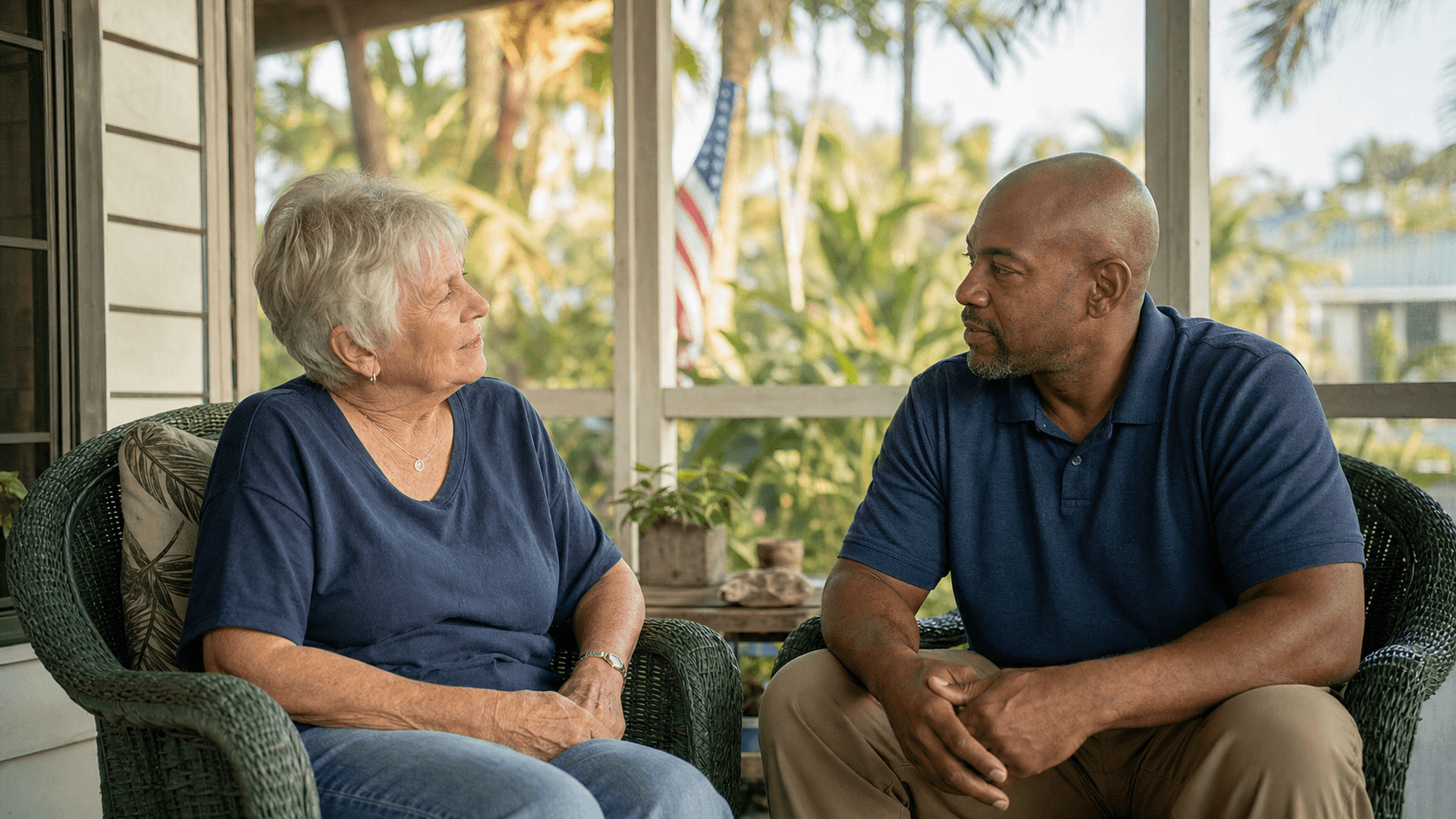
When Is It Time for Hospice?
Learn the signs that it may be time to consider hospice care for your loved one.
Showing 12 of 58 updates