Individual Support
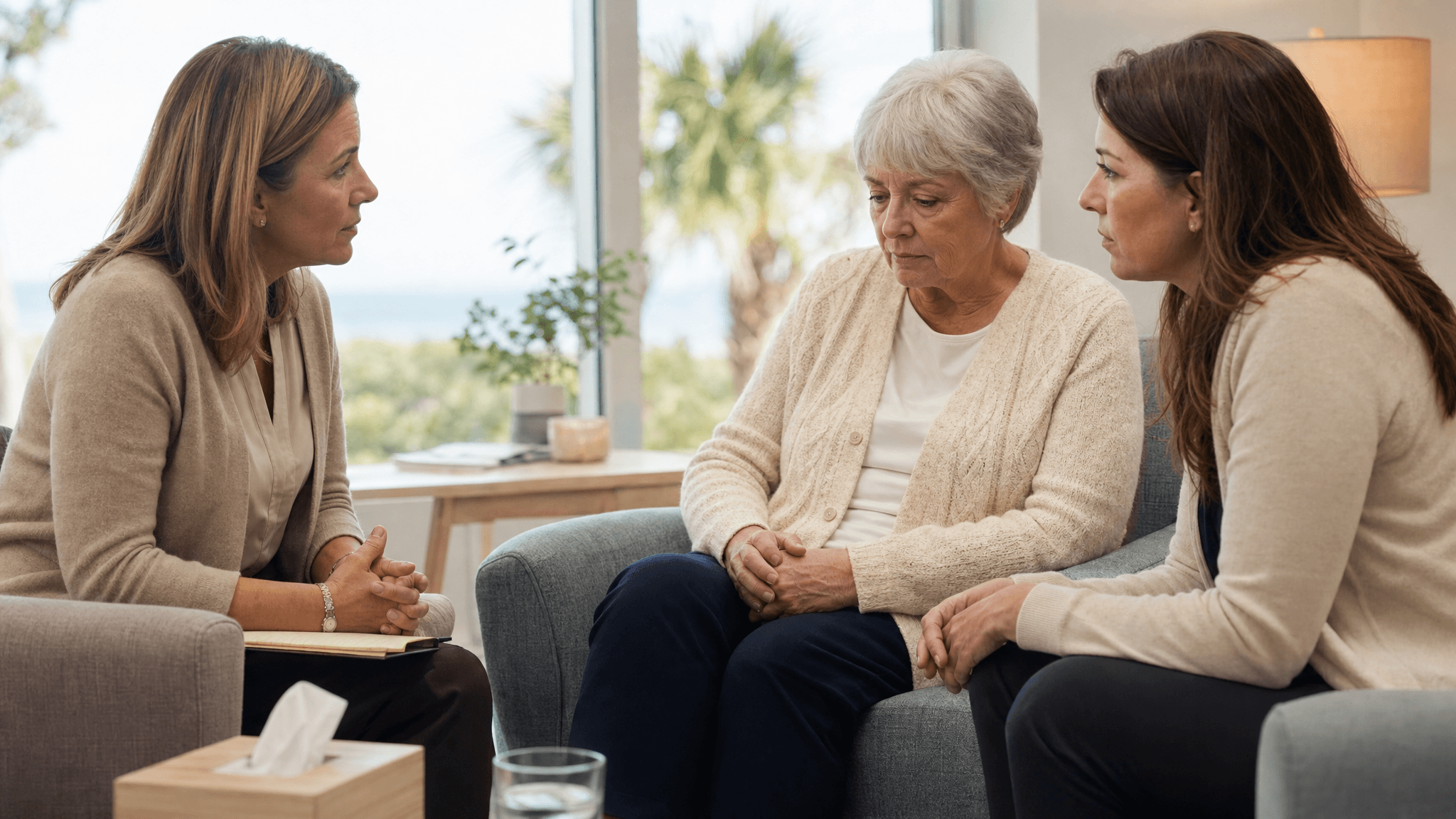
Receive compassionate, one-on-one support from grief professionals who provide guidance and practical coping strategies tailored to your unique journey.
Treasure Coast Hospice provides professional grief counseling, support groups, and community programs for adults, children, and families navigating loss — open to anyone in Martin, St. Lucie, and Okeechobee counties, regardless of whether your loved one was in our care.
Many people who call us assume grief counseling is only for families who were already enrolled in hospice. It is not. Our counselors at the Thomas Counseling Center and the Mayes Center serve anyone in the community who has experienced a loss — whether it was recent or years ago, expected or sudden, a parent, a child, a partner, or a close friend.
Reaching out does not mean committing to a program or a schedule. It starts a conversation with someone who has the time to listen and the experience to help.

Receive compassionate, one-on-one support from grief professionals who provide guidance and practical coping strategies tailored to your unique journey.
Connect with others who understand your experience through professionally facilitated support groups that provide a safe, welcoming space to share, and heal.
Specialized programs like Good Grief help children, teens, and families process loss through age-appropriate activities, counseling, and peer support.

Throughout the year, Treasure Health offers a variety of grief support events, educational workshops, remembrance ceremonies, and family programs designed to provide comfort, connection, and hope. Whether you're looking to learn more about the grieving process, honor the memory of a loved one, or connect with others who understand your journey, our events offer a welcoming and supportive environment for healing.

Jacki Nardone, LCSW — Director of Grief Support & Pediatric ServicesWhat's unique to our hospice is that our grief services are open to anyone. So if their loved one died outside of hospice care — a car accident, murder or suicide, or an illness if they didn't come onto hospice care — we also provide the same level of counseling and support.

Treasure Coast Hospice serves adults, children, and families in Martin, St. Lucie, and Okeechobee counties who have experienced any type of loss — anticipated or sudden, recent or long past. No referral is required before you call, and no family is turned away due to financial hardship.
Call 772-403-4530 to speak with our team. There is no form to complete before your first call, and speaking with us is not a commitment to counseling.
A licensed counselor listens to what you are going through, answers your questions, and helps you understand what kinds of support are available.
Based on what you share, the team recommends individual counseling, a support group, Camp Good Grief, or a combination of approaches.
Whether you start with a single session or a longer-term commitment, the counseling team works with you on your timeline and your terms.
Grief does not end on a schedule, and neither does our support. The team remains available to clients for as long as support is helpful.
Find compassionate guidance, educational materials, and local support to help you navigate grief and healing at your own pace.
Explore a thoughtfully curated collection of books for children, teens, and adults that encourage conversations about grief, provide comfort, and help families navigate loss together.
Download PDFLearn practical coping strategies and simple activities that help children and families identify emotions, manage stress, build resilience, and process grief in healthy ways.
Download PDFUnderstand how children of different ages perceive death and grief, along with common emotional and behavioral responses you may notice during the grieving process.
Download PDFFind guidance for having honest, age-appropriate conversations with children about terminal illness, anticipated death, and what to expect while supporting them with reassurance and compassion.
Download PDFDiscover practical ways to support your child after a loss, including communicating openly, answering difficult questions honestly, recognizing signs of grief, and creating opportunities to remember loved ones.
Download PDFHelp children understand what happens before, during, and after a funeral by explaining the purpose of the service, what they may see, hear, and experience, and giving them choices about how they participate.
Download PDFLearn how grief can affect each family member differently and discover ways to foster communication, support one another, and navigate changing family dynamics after a loss.
Download PDFGrief affects everyone differently. This guide explains common emotional and physical reactions to loss while offering practical tips for coping and finding hope during the healing journey.
Download PDFTCH's own Oralea and daughter share their personal journey through loss, grief, and healing after the death of their son and brother, William.
Read NHPCO ArticleOur grief counselors are available to anyone in the Treasure Coast community who is navigating loss. No referral needed. No commitment to start. Just a conversation with someone who genuinely wants to help.